What Does A Safety Switch (RCD) Actually Do? A Homeowner's Guide
Your power's just gone out mid-sentence, you've found your way to the switchboard by torchlight, and there's a switch sitting in the "off" position that wasn't there yesterday. Before you flick it back on and hope for the best, it's worth understanding what a safety switch actually does — because whether it tripped correctly or something in your house is genuinely faulty changes what happens next.
What Is a Safety Switch?
A safety switch, technically called a Residual Current Device (RCD), is a protective device fitted to your switchboard that monitors electrical current flowing through a circuit and disconnects power almost instantly if it detects current leaking to earth. In plain terms: it's the device standing between a faulty appliance or damaged wiring and a potentially fatal electric shock.
Under AS/NZS 3000, the wiring rules every licensed Australian electrician works to, 30mA is the standard sensitivity for personal protection on socket and lighting circuits. That figure isn't arbitrary — it's calibrated to trip well below the current level that poses a fatal risk to a person, meaning the switch is designed to act before a shock becomes life-threatening, not after.
How Does a Safety Switch Work?
An RCD constantly compares the current flowing out through the active wire against the current returning through the neutral wire. In a healthy circuit, these should match. If some current is leaking somewhere it shouldn't — through a person, a damaged cable, or a faulty appliance — that mismatch (earth leakage) is detected, and the switch cuts power in milliseconds.
This is a genuinely different job to a circuit breaker, which brings us to one of the most common points of confusion homeowners have.
Safety Switch vs Circuit Breaker: What's the Difference?
These two devices sit side by side on your switchboard but protect against completely different things, and this trips up a lot of homeowners.
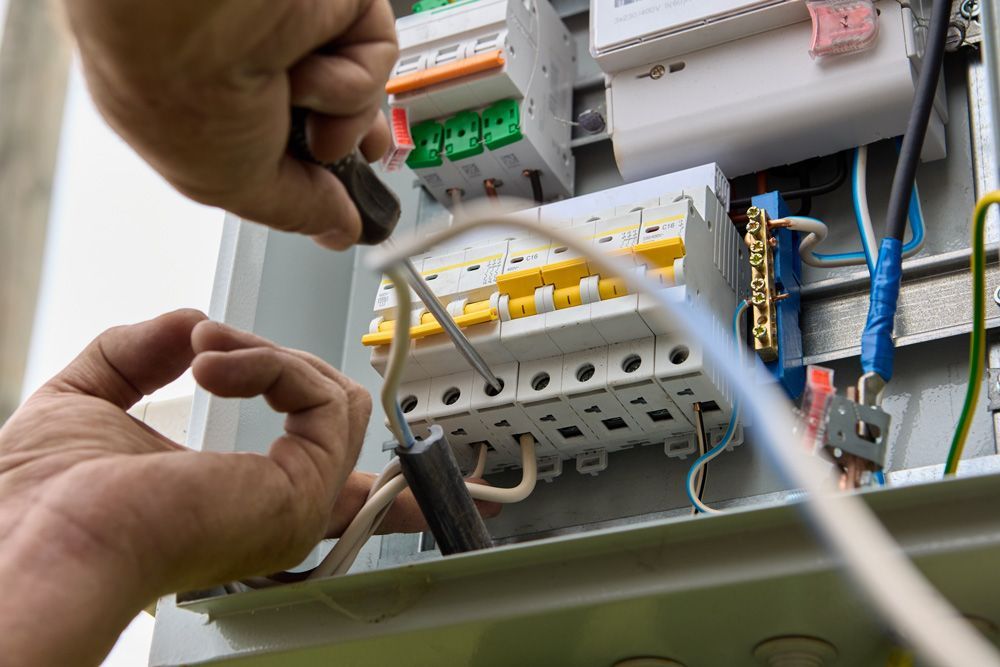
A circuit breaker (MCB) protects your wiring and the circuit itself against overload and short circuit — too much current flowing through the wire, which could otherwise cause overheating or fire.
A safety switch (RCD) protects people from electric shock by detecting current leaking to earth, regardless of whether the total current draw on the circuit is within normal limits.
Critically, one doesn't replace the other. An RCD does not protect against overload or short circuit, so a compliant modern circuit needs both — either as separate devices, or combined into a single unit called an RCBO, which protects a single circuit and improves fault detection compared to older setups where one RCD covers a whole group of circuits.
Why Does My Safety Switch Keep Tripping?
This is the question that actually brings most people to search for this topic, and the honest answer is: it depends, and not always on something obviously broken.
A tripped safety switch generally means one of two things — a specific fault (a damaged cable, a failing appliance, water ingress somewhere it shouldn't be), or cumulative leakage. Here's the detail that rarely makes it into a basic explainer: most nuisance tripping is caused by cumulative leakage from healthy appliances rather than a single fault. A 30mA RCD trips on the total earth leakage across everything connected to that circuit — so several older appliances, each leaking a perfectly normal, legal few milliamps of current, can add up across the circuit and trip the switch intermittently, with nothing individually "broken" at all.
This is exactly why simply resetting the switch and hoping it doesn't happen again isn't a real diagnosis. If it trips once and stays off, or trips repeatedly under a specific pattern of appliance use, that pattern is genuinely useful diagnostic information for an electrician, not something to just live with.
Should a Safety Switch Be On or Off?
Under normal operation, your safety switch should always be left in the "on" position. It's designed to stay on continuously, only tripping to the "off" position when it detects a genuine leakage event. If you find a switch already in the off position, that's the device doing its job in response to something — it's not meant to be manually switched off as a matter of course, and leaving it off removes the shock protection for that entire circuit.
What Causes an RCD to Trip? How a Professional Actually Finds Out
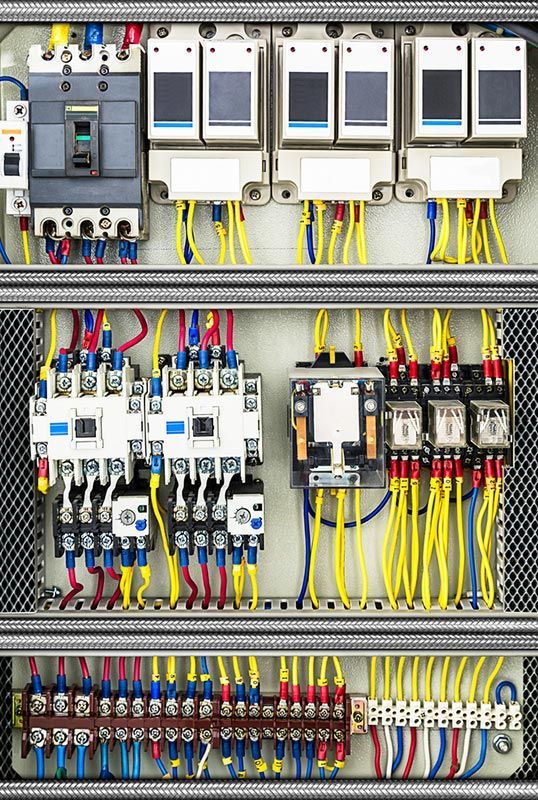
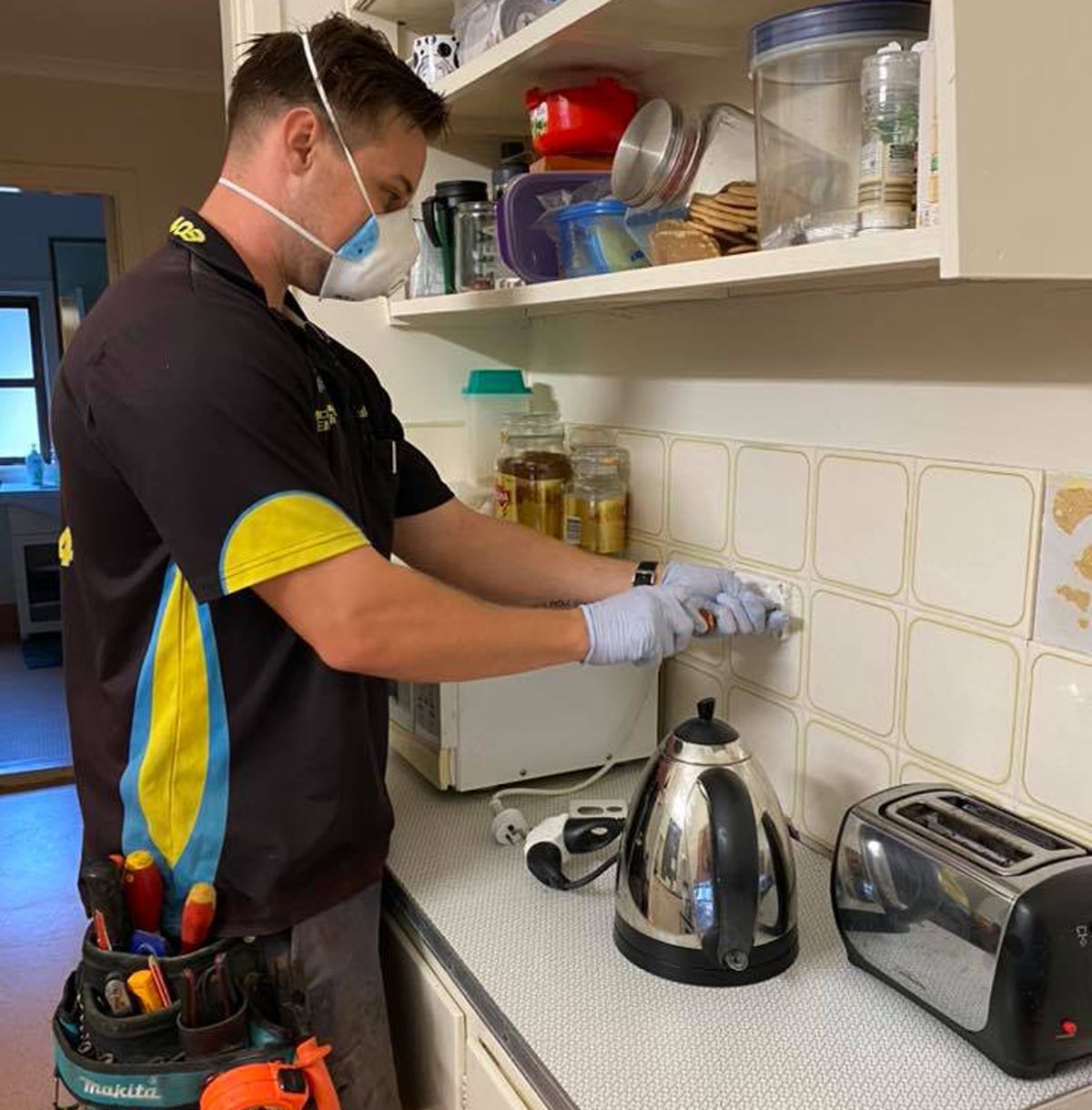
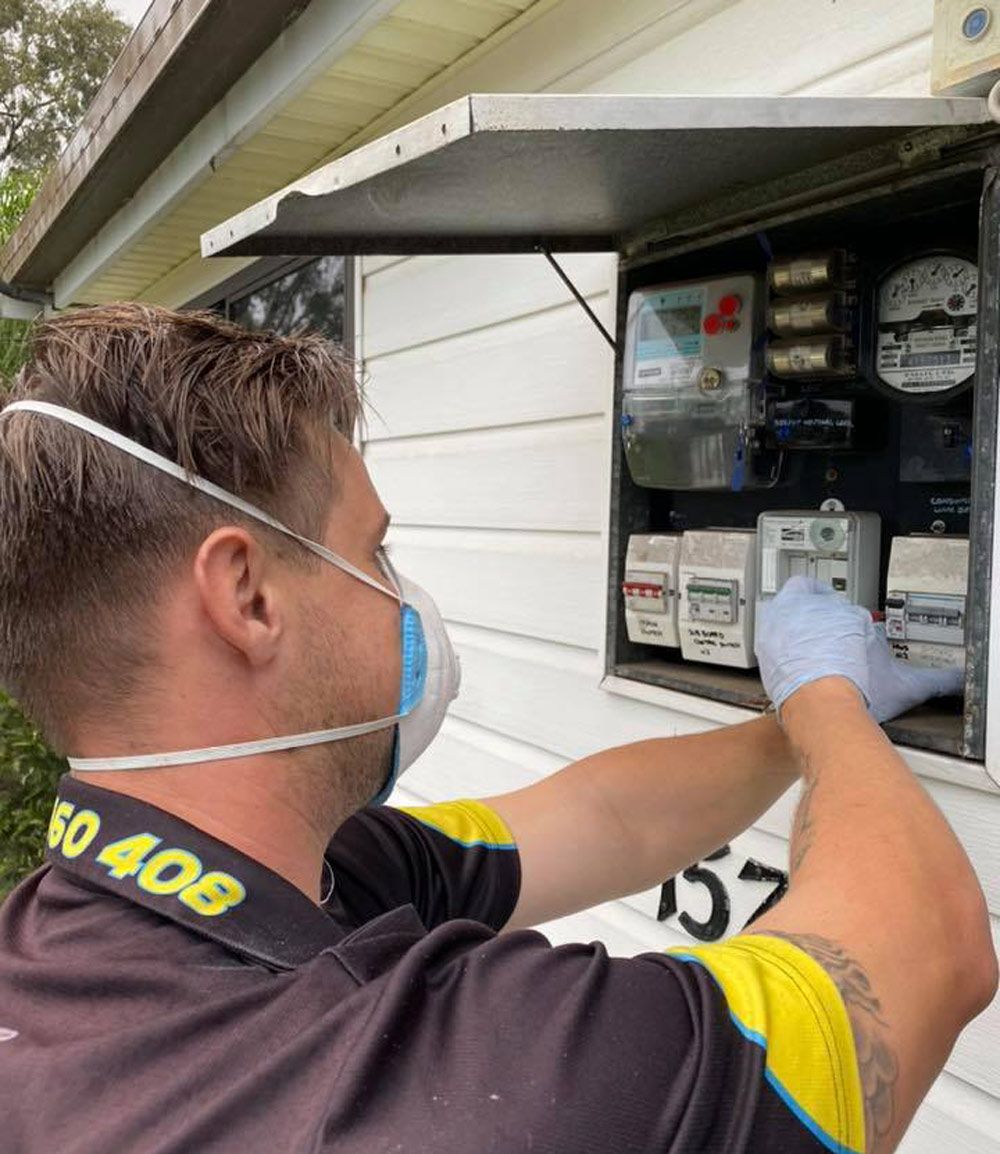
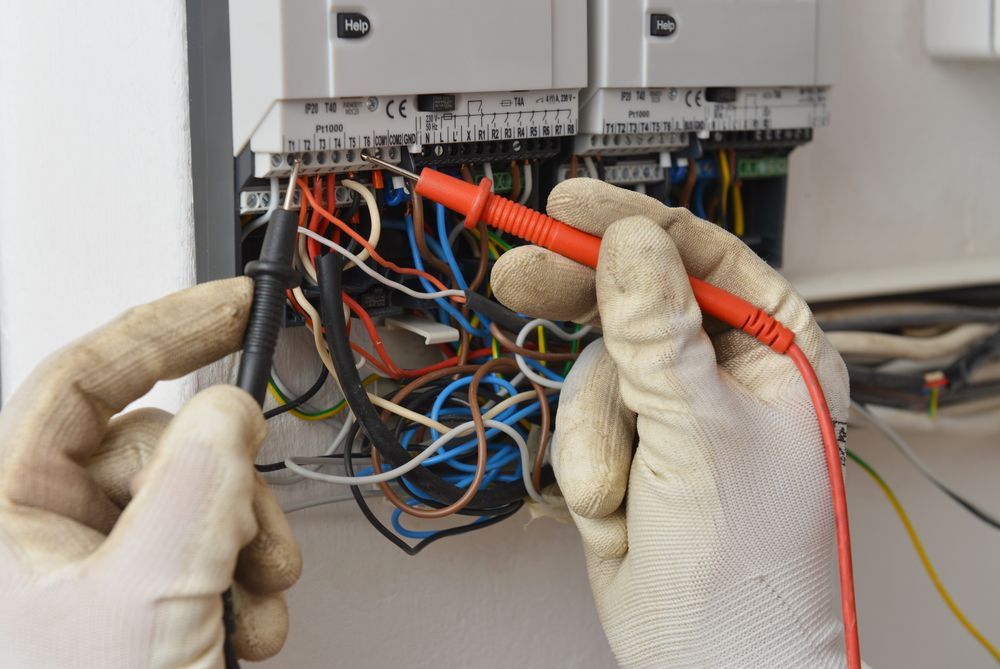
When a safety switch trips repeatedly, a licensed electrician doesn't just reset it and wait to see what happens. The proper diagnostic approach involves isolating circuits one at a time at the switchboard and running an insulation resistance test on each, methodically narrowing down which circuit — and ultimately which appliance or section of wiring — is contributing the leakage current causing the trip.
This matters because the fault isn't always visible or obvious. An appliance that's leaking a small, technically-within-spec amount of current on its own can still be the tipping point when combined with several others on the same circuit, and that combination can only be found through proper isolation testing, not guesswork.
Can I Install or Test a Safety Switch Myself?
Installing, replacing or altering a safety switch is licensed-electrician-only work under AS/NZS 3000 — this isn't a DIY job, and attempting it yourself is both illegal and genuinely dangerous given what the device is protecting against. If your board still runs ceramic fuses with no RCD at all, retrofitting one usually means upgrading the board — we covered that in When and Why Switchboard Upgrades Are Essential for Ballina Homes.
What you can safely do yourself is the routine push-button test — pressing the "T" or "Test" button on the device, which should trip it immediately. This confirms the switch itself is still functioning, though it doesn't replace the calibrated trip-time testing a professional performs, and it's no substitute for proper fault diagnosis if the switch is tripping on its own.
Businesses carry a stricter obligation than homeowners here: scheduled RCD testing has to be documented, not just done by pressing the test button, since workplace regulators expect to see test records on demand.
When to Call an Electrician
If your safety switch trips again the moment you reset it, that's a live earth fault — book a licensed electrician in Ballina rather than just leaving the circuit switched off. It's also worth booking a proper assessment if the trip happens intermittently, seemingly at random, or only when specific appliances are running, since that pattern is exactly the kind of clue that helps isolate the cause quickly rather than through trial and error.
Not sure whether your switchboard has a safety switch or only circuit breakers? Get in touch and we'll tell you exactly what to look for, and whether an upgrade or a fault-finding visit is the right next step for your home.
FAQs
Is it normal for a safety switch to trip occasionally?
An occasional trip tied to a specific event (a wet appliance, a known fault) can be explained, but repeated or unexplained tripping isn't something to just reset and ignore — it usually indicates a genuine leakage issue worth investigating properly.
Do all homes in Australia have safety switches?
Not necessarily, particularly older homes that haven't had switchboard work done recently. AS/NZS 3000 has progressively widened RCD requirements over recent editions, but older installations aren't automatically brought up to current standard unless the board is altered or upgraded.
Can a faulty appliance cause my safety switch to trip even if the appliance seems to work fine?
Yes. An appliance can leak a small amount of current within technically normal limits while still contributing to a circuit's total leakage, which can tip a shared RCD into tripping even though no single device is obviously broken.
Why does my safety switch trip only sometimes, not every time I use the same appliances?
This intermittent pattern is common with cumulative leakage issues, since the total leakage across a circuit can vary depending on which combination of appliances happens to be running at once, along with factors like humidity affecting insulation resistance.
How often should a safety switch be tested?
Push-button testing is recommended quarterly at minimum, with monthly testing considered good practice for homeowners. Calibrated trip-time testing, which confirms the device is actually tripping within the required time, should be carried out annually by a licensed electrician.