Understanding Electrical Test And Tag Compliance
A frayed extension cord in a busy office kitchen, a power board hidden under a desk, a tool that's been dropped one too many times on a job site — these are the kinds of everyday hazards that sit quietly in workplaces until something goes wrong. Most electrical equipment looks fine on the outside long after it's stopped being safe on the inside, which is exactly the gap testing and tagging with an electrician in Ballina is designed to close.
Understanding what test and tag actually involves, and why it matters for businesses of every size, makes it much easier to stay compliant, reduce risk and avoid the kind of incident that's entirely preventable.
What Is Test and Tag, in Plain Terms
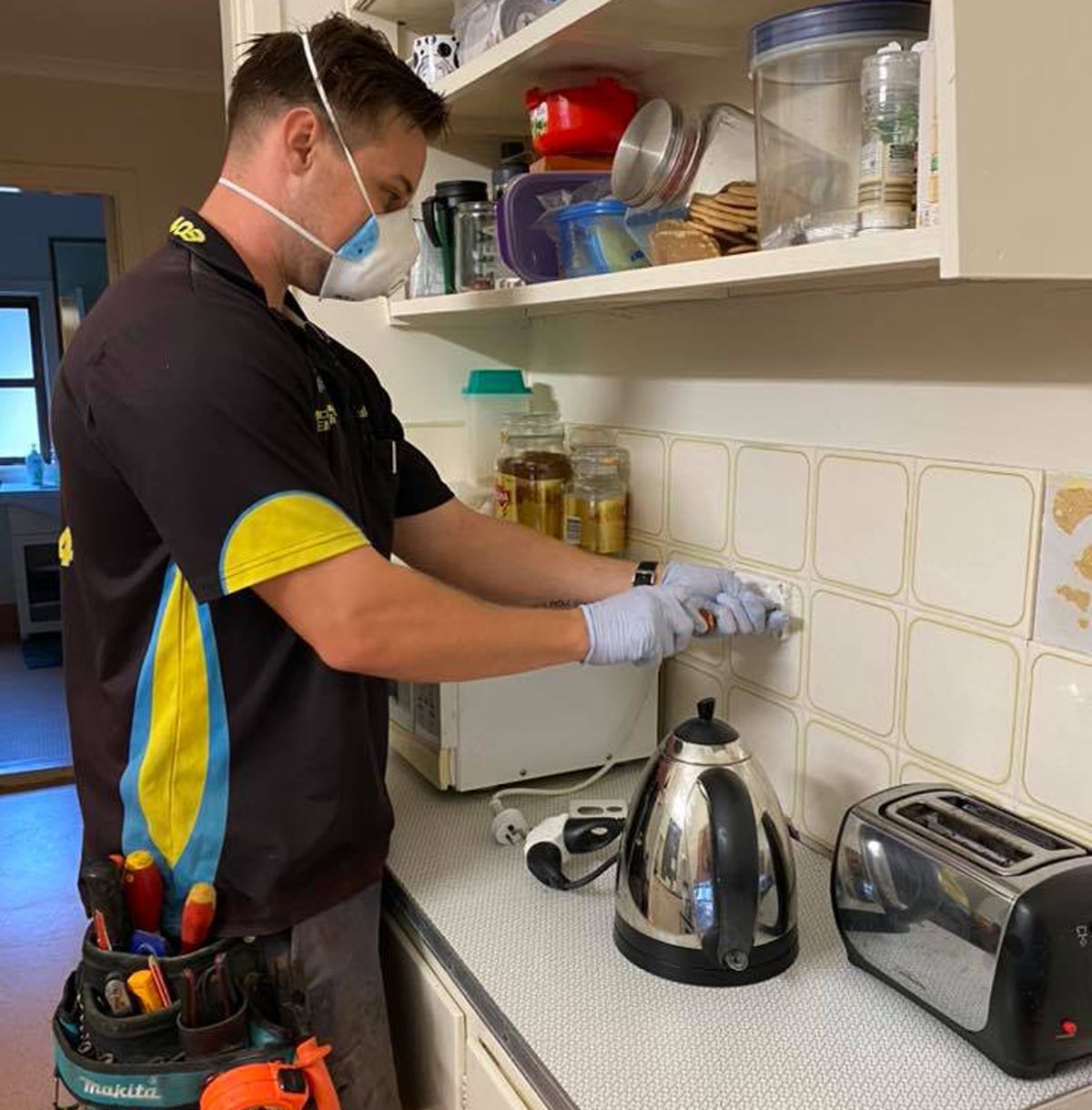
At its core, testing and tagging is a straightforward safety process. A qualified electrician in Ballina visually inspects a piece of electrical equipment, then runs a series of electrical tests to check it's safe to use, before attaching a tag recording the result and the date of the next test.
- Visual inspection checks for damage to cords, plugs and casings
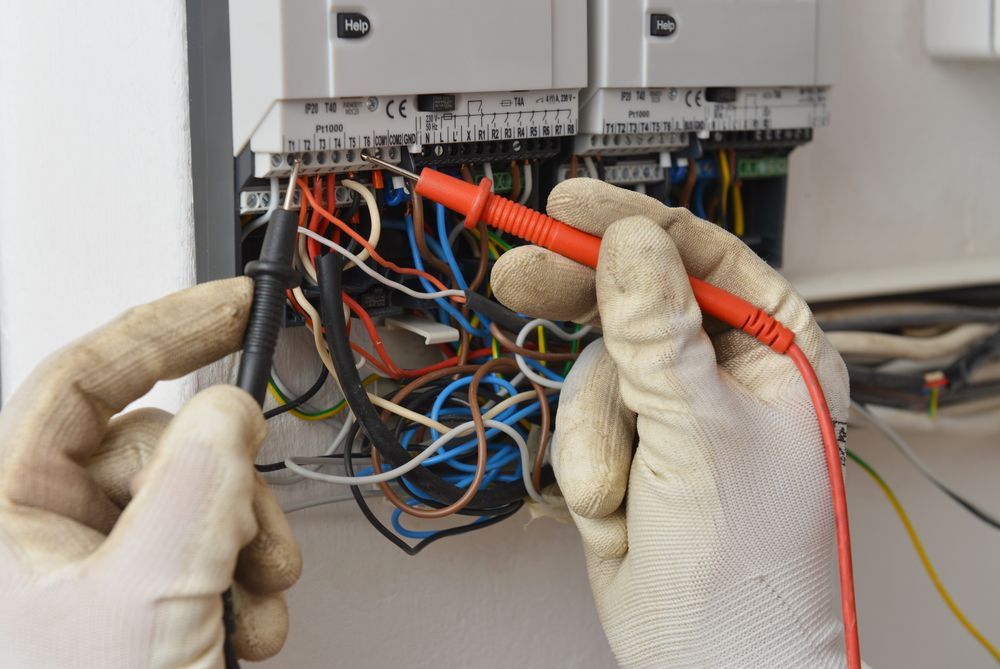
- Electrical testing measures insulation resistance and earth continuity
- A dated tag records the outcome and sets the next testing interval
None of this requires equipment to be dismantled or taken offline for long, but it does provide a clear, documented record that a piece of equipment has been checked and deemed safe to use.
Why This Process Exists in the First Place
Electrical equipment degrades over time, often in ways that aren't visible from the outside. Internal wiring can loosen, insulation can wear thin, and earth connections can weaken through nothing more than regular use, vibration or age. Testing and tagging exists to catch these issues before they cause harm.
- Faults often develop gradually and remain invisible during normal use
- Damage from drops, moisture or wear-and-tear isn't always obvious
- Early detection prevents minor faults from becoming serious hazards
Rather than waiting for a visible problem to appear, this process takes a proactive approach to identifying risk before it results in a shock, fire or equipment failure.
Is Test and Tag a Legal Requirement?
Many workplaces are required to carry out regular testing and tagging under work health and safety regulations, particularly in higher-risk environments such as construction sites, manufacturing facilities and commercial kitchens. The exact requirements can vary depending on the industry and how equipment is used.
- Work health and safety laws require a safe working environment, including safe equipment
- Certain industries have specific testing frequency requirements set by regulation
- Failing to meet these obligations can expose a business to legal and financial risk
Even in workplaces where testing isn't explicitly mandated, it's generally considered a reasonable and expected safety measure, particularly where staff or customers regularly use electrical equipment.
How Testing and Tagging Reduces Electrical Hazards
The primary purpose of testing and tagging is straightforward: reducing the risk of electric shock, fire and equipment failure. Faulty equipment is one of the more preventable causes of workplace electrical incidents, and regular testing removes a significant amount of that risk before it becomes a real problem.
- Identifies damaged cords and plugs before they cause a shock hazard
- Detects insulation and earthing faults that increase fire risk
- Removes unsafe equipment from circulation before an incident occurs
For businesses with a lot of shared or frequently used equipment, this kind of proactive risk reduction is one of the simplest and most cost-effective safety measures available.
The Insurance and Liability Angle
Beyond safety alone, testing and tagging with a licensed electrician in Ballina plays an important role in managing a business's legal and financial exposure. In the event of an electrical incident, insurers and regulators often look closely at whether reasonable safety measures were in place, including whether equipment was being tested regularly.
- Insurance claims can be affected if reasonable safety measures weren't followed
- Documented testing records demonstrate due diligence in the event of an incident
- Non-compliance can expose a business to liability if faulty equipment causes harm
Maintaining a clear, up-to-date testing record isn't just good practice — it's a practical safeguard for the business itself if something ever goes wrong.
How Often Should Equipment Be Tested?
Testing frequency isn't one-size-fits-all. It depends on the type of environment, how equipment is used, and how much wear and tear it's exposed to on a daily basis. Equipment used in harsh or high-traffic environments generally needs more frequent testing than equipment in a low-risk office setting.
- Construction and industrial environments often require more frequent testing
- Office equipment used under normal conditions typically needs less frequent testing
- Portable equipment moved between locations tends to face a higher risk of damage
A qualified electrician can help determine the right testing schedule for a specific workplace, based on the equipment involved and the conditions it operates in.
What Happens During a Test and Tag Appointment
For businesses unfamiliar with the process, a testing and tagging appointment is generally quick and non-disruptive. A technician works through equipment methodically, testing each item and applying a tag before moving on to the next, with minimal interruption to daily operations.
- Equipment is tested on-site, without needing to be sent away
- Each item receives a visible tag showing the test date and next due date
- A summary report is typically provided for record-keeping and compliance purposes
Most businesses find the process far less disruptive than expected, particularly when testing is scheduled outside of peak operating hours.
Building Testing and Tagging Into Regular Maintenance
The businesses that manage electrical safety most effectively tend to treat testing and tagging as an ongoing part of routine maintenance, rather than a one-off task completed only when required. Building it into a regular schedule keeps compliance consistent and reduces the chance of equipment slipping through the cracks.
- Scheduled testing avoids last-minute compliance scrambles
- Consistent record-keeping simplifies audits and safety reviews
- Ongoing testing catches new faults as equipment ages or changes hands
Treating testing and tagging as part of everyday workplace safety, rather than an occasional obligation, is one of the simplest ways to keep both people and equipment protected.
Stay Compliant With Local Support
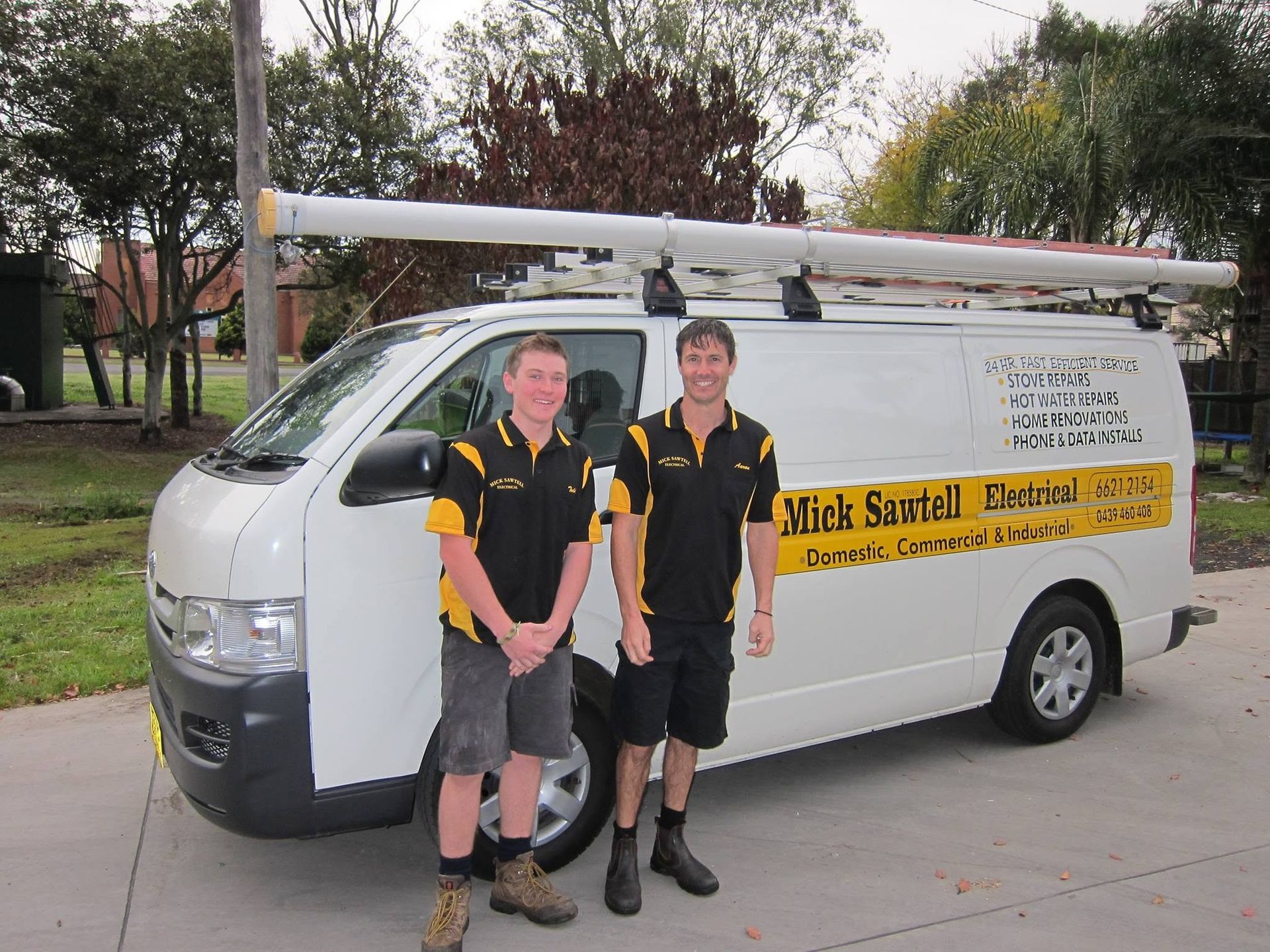
At Mick Sawtell Electrical, we provide testing and tagging services as part of a broader range of electrical solutions for homes and businesses across the region. If you're unsure whether your workplace is meeting its testing obligations, or it's simply been a while since your equipment was last checked, our team can help you get on top of it with minimal disruption.
As a trusted electrician in Ballina, we bring the local knowledge and licensed expertise to keep your equipment safe, compliant and properly documented. Get in touch with us today to arrange a testing and tagging service or ask any questions about your compliance obligations.