Understanding The Importance Of Regular Electrical Inspections For Ballina Homes
Most homeowners rely on their electrical systems every day without giving them much thought. Lights turn on, appliances run and power points work as expected. Because everything appears normal, it’s easy to assume the system behind the walls is in good condition. Electrical issues, however, often develop gradually and without obvious signs.
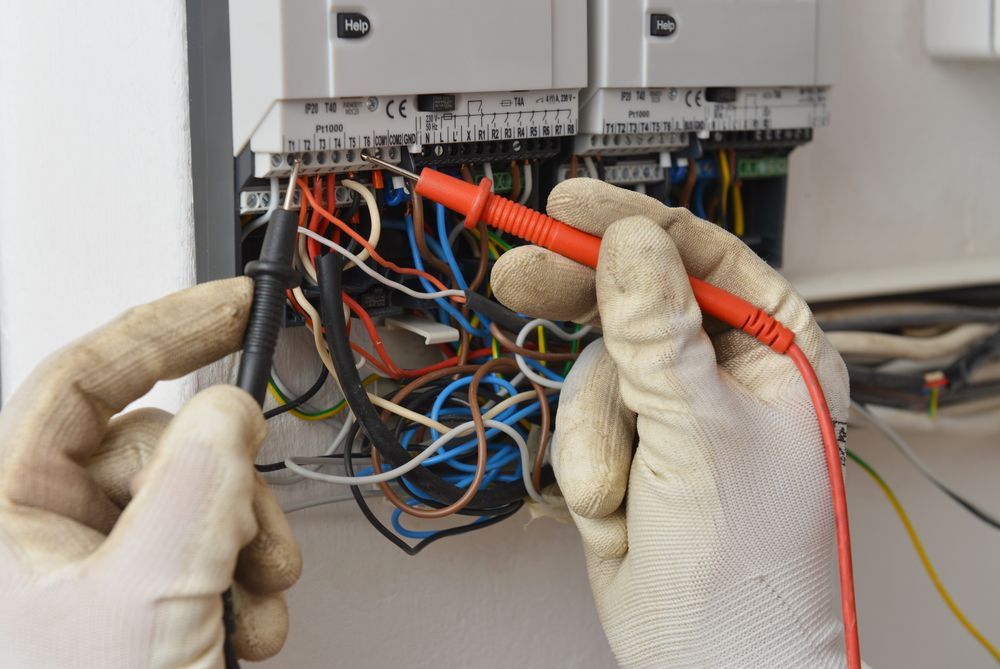
Regular electrical inspections are designed to identify changes that aren’t visible during everyday use. Wiring, connections and protective devices can wear over time, especially as households add more appliances and technology. Without checks, small issues may remain unnoticed until they cause disruption or safety concerns.
Understanding what electrical inspections involve and why they’re recommended helps homeowners make informed decisions about maintaining their properties and planning future upgrades.
Electrical systems age quietly, even when nothing seems wrong.
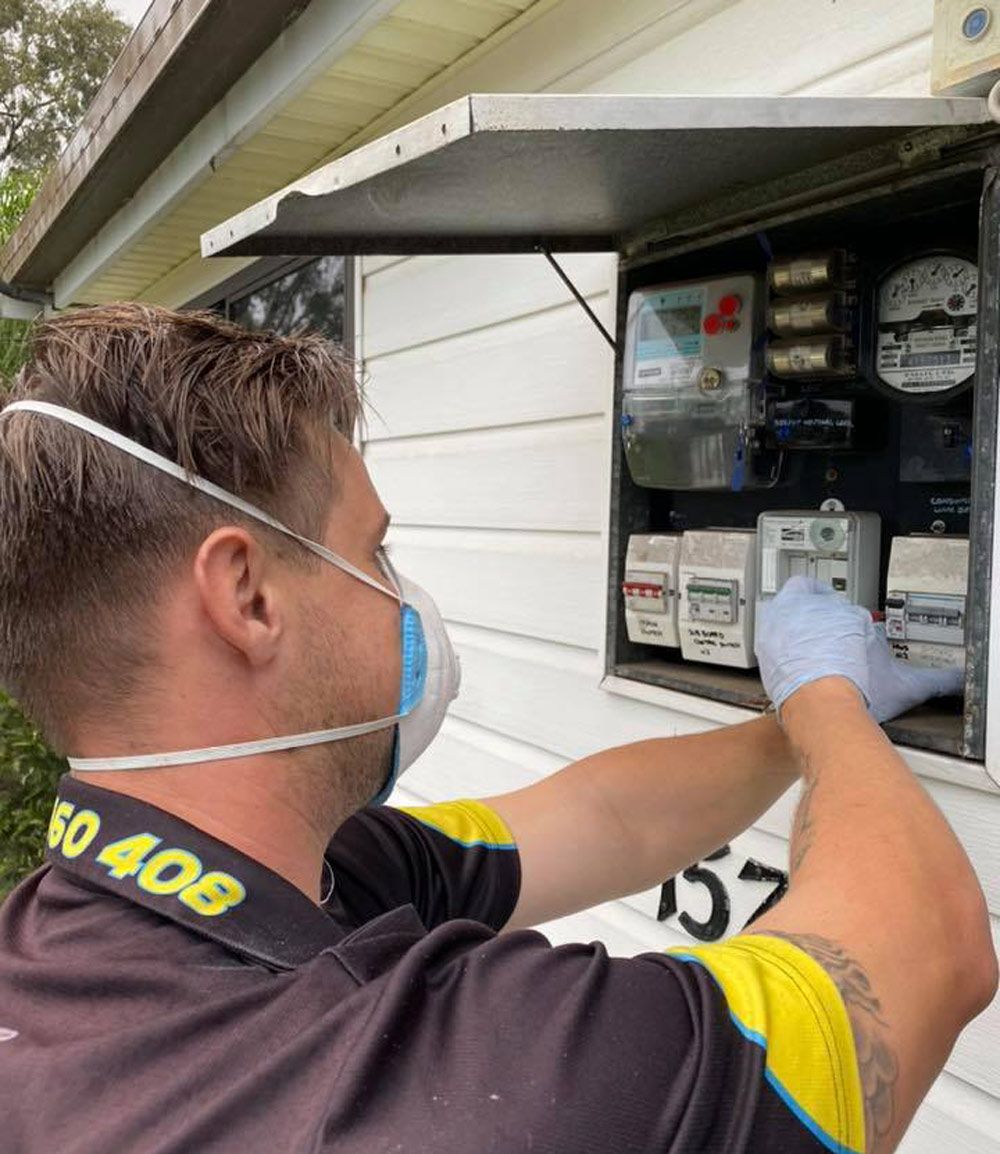
Electrical systems don’t usually fail all at once. Instead, they change slowly as components age and usage patterns shift. Insulation can become brittle, connections may loosen and protective devices can become less responsive. These changes rarely cause immediate problems, which is why they’re often overlooked.
An electrical inspection looks beyond surface function. Electricians in Ballina assess the condition of wiring, fittings and protective systems to understand how well they’re holding up. Even in homes where power appears reliable, inspections can reveal wear that hasn’t yet caused faults.
Regular inspections provide a snapshot of system health. They help homeowners understand what’s working as expected and what may need attention in the future, supporting safer long-term use of electrical infrastructure.
Small electrical faults often appear before bigger problems develop.
Many electrical issues begin as minor faults that don’t immediately affect daily use. During an inspection, electricians look for these early indicators before they escalate.
Common findings may include:
- loose connections within outlets or switchboards
- signs of heat stress on wiring or fittings
- ageing safety switches or circuit breakers
- minor damage to cabling or insulation
Identifying these issues early allows homeowners to address them at a manageable stage. Inspections aren’t about finding faults for the sake of it. They’re about understanding current conditions and preventing avoidable complications later on.
Older homes may not meet today’s electrical safety expectations.
Electrical standards change over time to reflect new knowledge and household demands. Homes built decades ago were not designed for the number of appliances and devices used today. As a result, some systems may no longer align with current safety expectations.
An inspection helps identify components that may be outdated or no longer suitable for modern use. This doesn’t automatically mean extensive upgrades are required. Instead, it provides clarity about what’s in place and how it compares with current guidelines.
For homeowners, this information supports informed planning. It allows upgrades to be prioritised over time rather than reacting to faults unexpectedly.
Switchboards play a central role in household electrical safety.
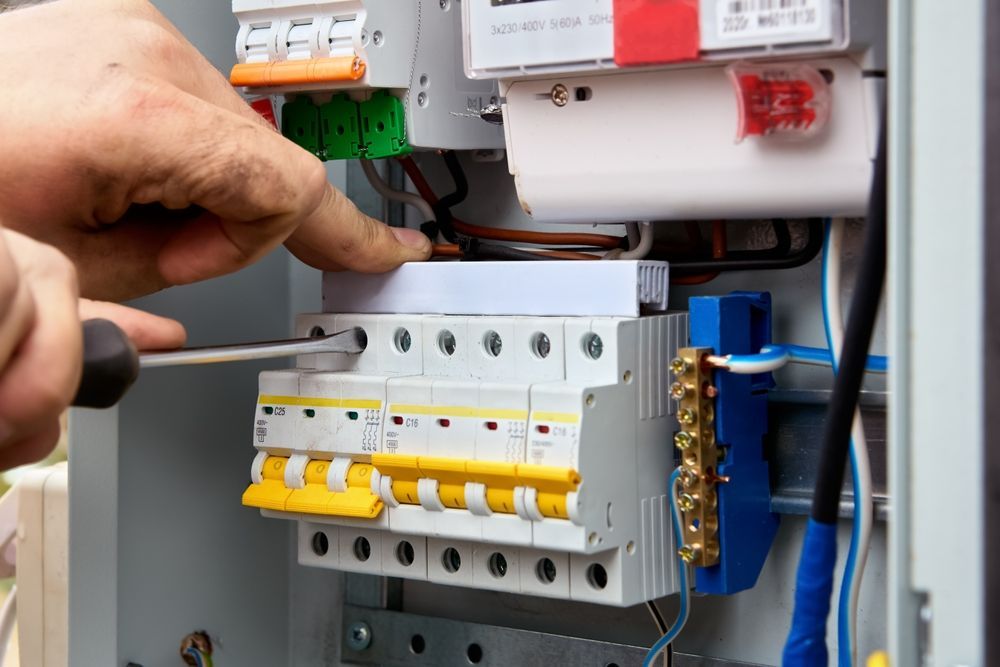
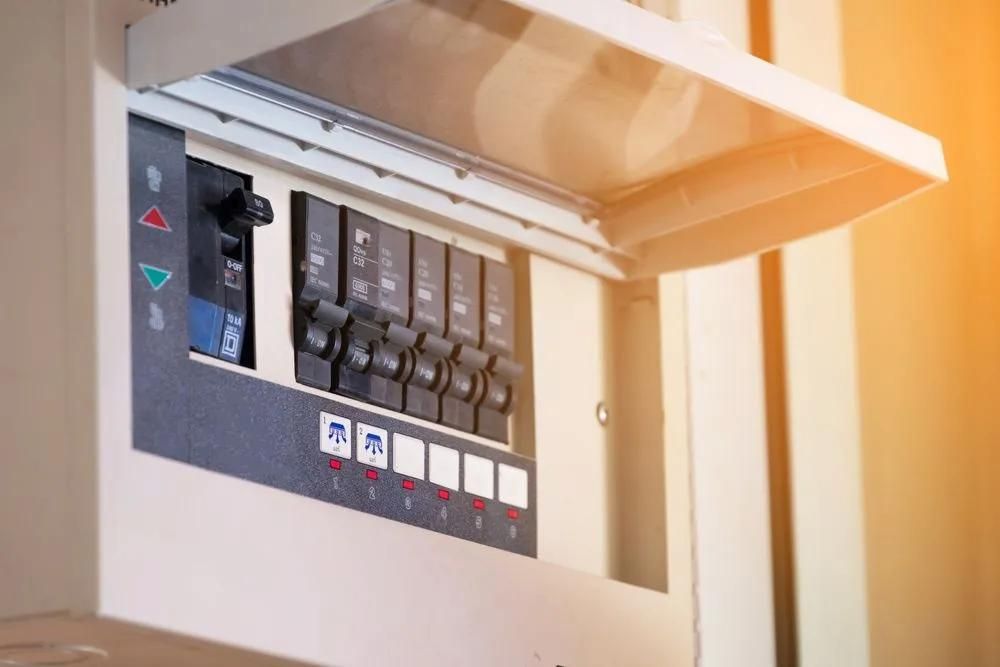
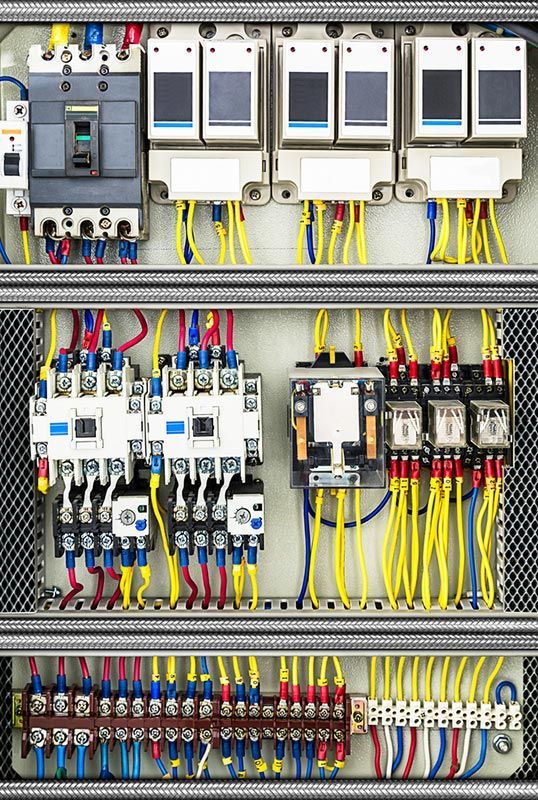
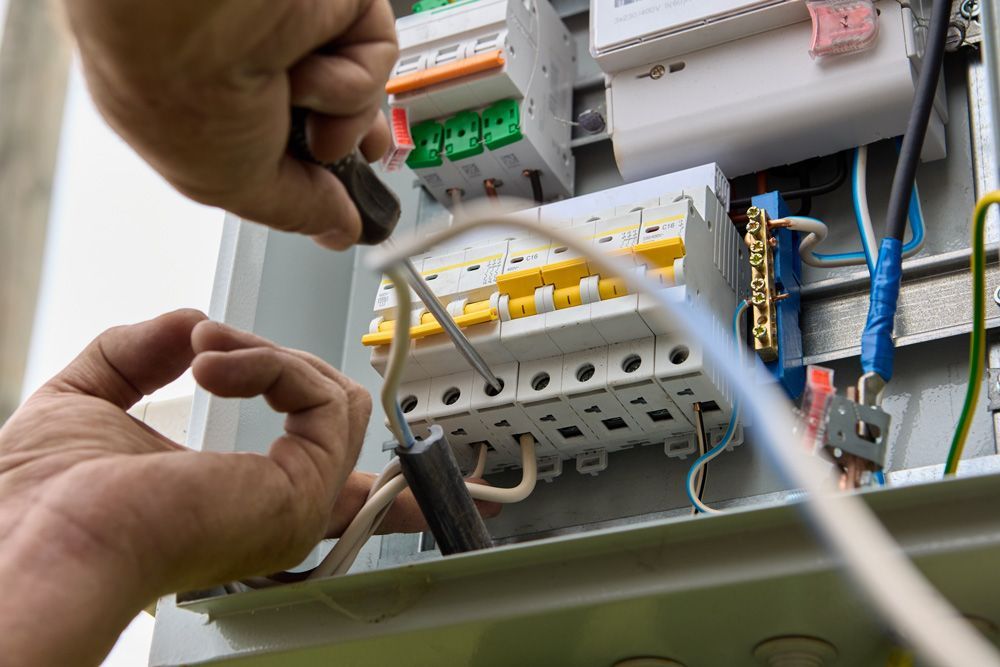
The switchboard is the control centre of a home’s electrical system. It distributes power and provides protection through safety switches and circuit breakers. During an inspection, electricians assess whether the switchboard is operating as intended.
Key areas reviewed often include:
- condition and capacity of circuit breakers
- presence and function of safety switches
- signs of overheating or wear
- suitability for current electrical load
Switchboard inspections help determine whether the system can handle existing demands. Where necessary, electricians may discuss options for upgrades or adjustments based on findings rather than assumptions.
Electrical inspections support safer everyday appliance use.
Modern households rely on a wide range of electrical appliances, from kitchen equipment to entertainment systems. Each appliance contributes to overall electrical load, which can affect circuits and wiring.
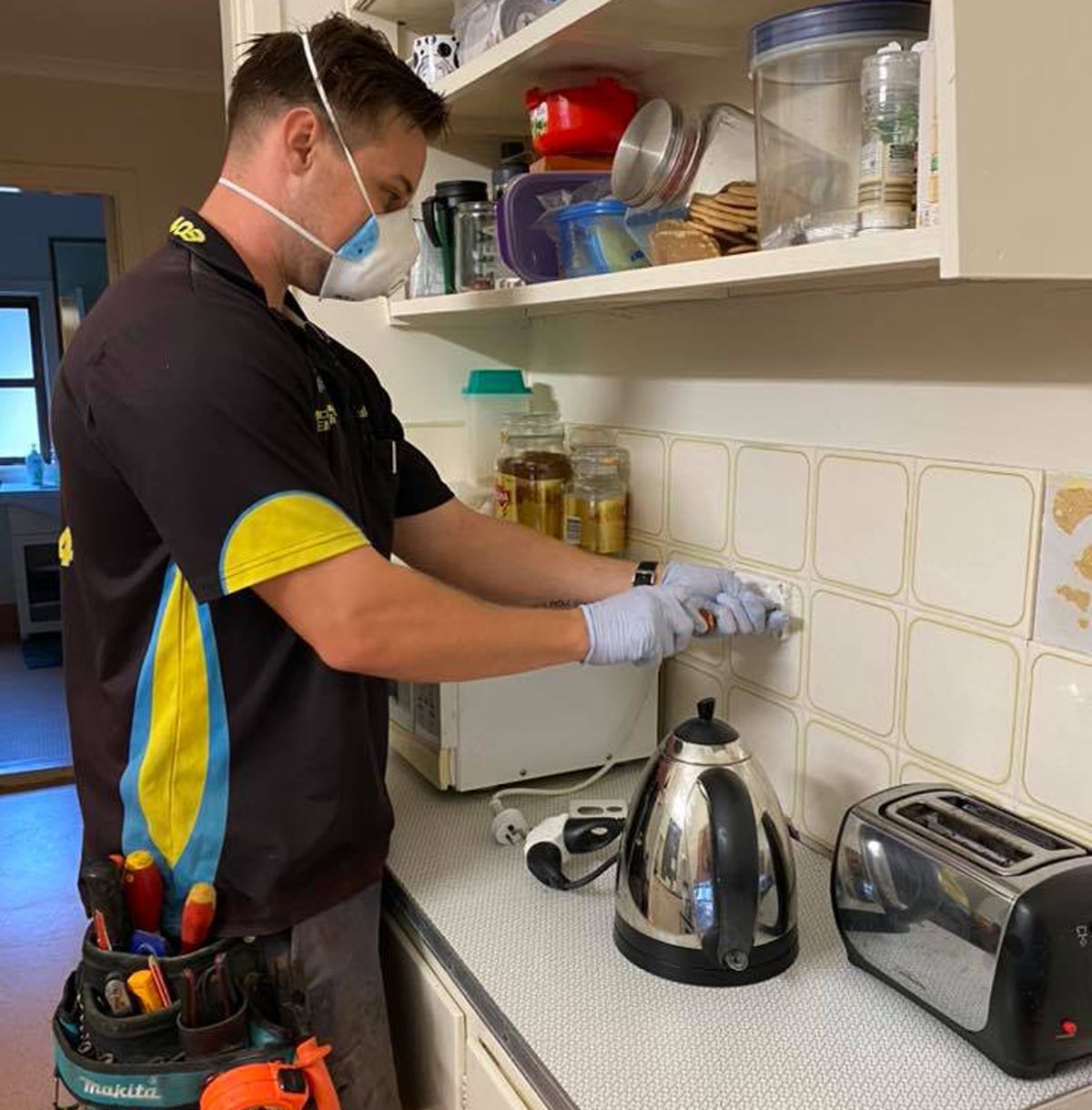
An inspection reviews how circuits are distributed and whether they’re operating within reasonable limits. Electricians may check power points, fixed appliances and dedicated circuits to understand usage patterns.
This process helps ensure appliances are connected appropriately and that circuits aren’t under unnecessary strain. Inspections support ongoing safe use by identifying imbalances or areas that may benefit from adjustment.
Rental properties require extra attention to electrical condition.
Rental properties often experience higher usage and changing occupants, which can place additional demand on electrical systems. For landlords and property managers, inspections help maintain awareness of system condition between tenancies.
Electrical inspections for rental properties may involve:
- checking safety switches and power points
- assessing general wiring condition
- reviewing previous modifications or repairs
- documenting findings for maintenance records
These inspections support consistent property management. They also help identify issues early, reducing the likelihood of unexpected faults during tenancies.
Regular inspections can reduce unexpected repair disruptions.
Unplanned electrical repairs often occur at inconvenient times. Regular inspections help reduce this risk by identifying concerns before they become urgent.
When inspections are scheduled periodically, homeowners can plan maintenance and upgrades around their own timelines. This approach supports smoother household operation and reduces the stress associated with sudden outages or faults.
Inspections also provide context. Understanding what’s in good condition and what may need attention helps prioritise work without guesswork.
Professional inspections provide clarity, not guesswork.
A professional electrical inspection includes clear documentation and explanations of findings. Electricians outline what was checked, what was observed and what steps may be considered next.
This process often includes:
- written summaries of inspection results
- explanations of identified issues
- discussion of maintenance or upgrade options
- opportunity to ask questions
Rather than leaving homeowners uncertain, inspections provide practical information. This clarity supports informed decisions about electrical care and future planning.
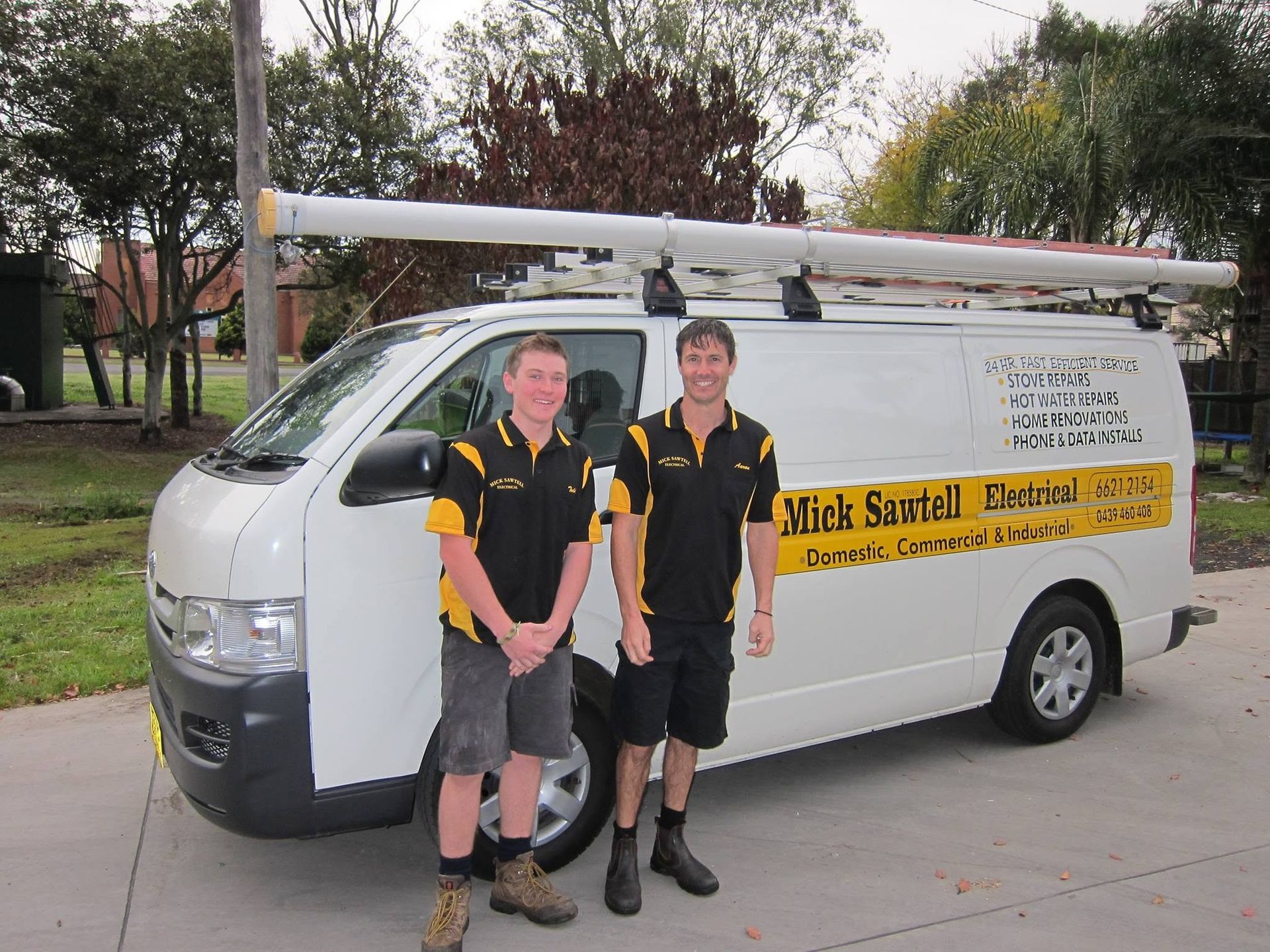
Homes in Ballina face environmental factors such as coastal air and seasonal weather that can affect electrical systems over time. Here at Mick Sawtell Electrical, we carry out electrical inspections for homeowners, landlords and property managers to help identify issues early and support ongoing electrical safety. Visit https://www.micksawtellelectrical.com.au/ or contact us to book an electrical inspection and discuss the condition of your home’s electrical system with an electrician near you.